Electrical Defect Notice Response Plan
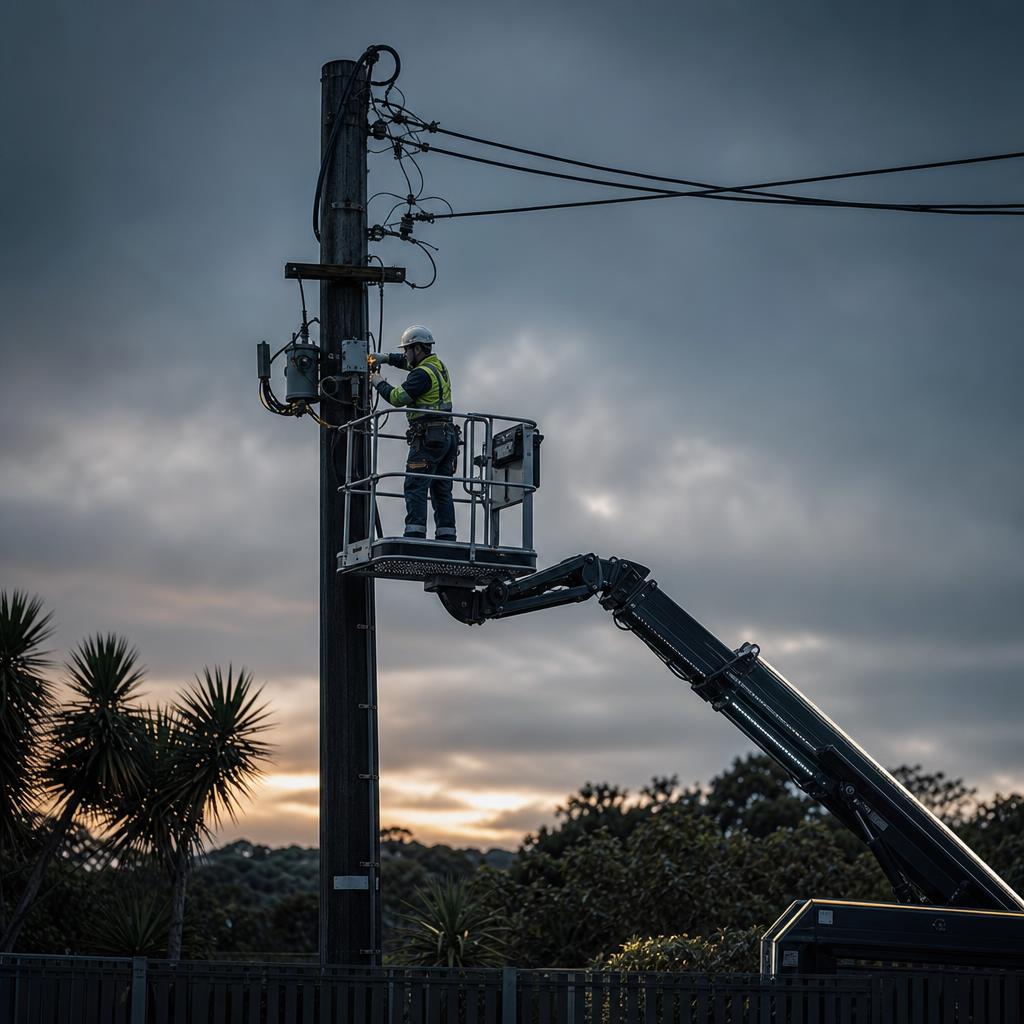
A defect notice identifies a problem and a required response. Work from the notice itself—not a generic deadline or a photograph of a similar repair elsewhere.

Read the issuer’s instructions and deadline
Keep the complete notice, including attachments, reference numbers and contact details. Note the required response date and any immediate restrictions. Deadlines depend on the notice and risk; do not rely on a general number of days from an online article.
If the instructions are unclear, contact the issuer using its official details. Do not assume an extension has been granted because a contractor has been contacted. Immediate danger or damaged live infrastructure requires urgent safety action, not ordinary appointment planning.
Give the contractor the full notice
Send every page rather than summarising it as “a pole issue” or “a board problem”. The wording may identify several defects or specify a connection boundary that changes who can perform the work. Include the site address, access restrictions and any prior repairs.
Provide photographs only if they can be taken from a safe location without approaching the hazard. Never climb, pull vegetation away from wires or open equipment for a better image. Missing information should be obtained through the professional assessment.
Track the response through to close-out
Record agreed appointments and keep the issuer informed as instructed. After work, confirm who submits the required evidence and how you will know the issuer’s requirements have been satisfied. An invoice is not necessarily the notice close-out record.
ZEOS defect-rectification enquiries should include the full notice and its stated date. Ask about an assessment and the required authorisations rather than assuming availability or promising the issuer a completion date before scope is confirmed.
General planning information, not a diagnosis or electrical work instructions. Requirements and equipment suitability must be confirmed for your property.
Need help with electrical defect rectification?
Send the full notice and highlight its deadline and safety restrictions. Ask who will assess the scope, coordinate with the issuer and provide the required completion evidence.
Explore Electrical Defect Rectification with ZEOS →