
Plan Solar-Aware EV Charging
Solar-aware charging is most useful when the car is available while surplus generation exists. Start with your routine and existing equipment rather than assuming a “solar” charger will always avoid grid electricity.
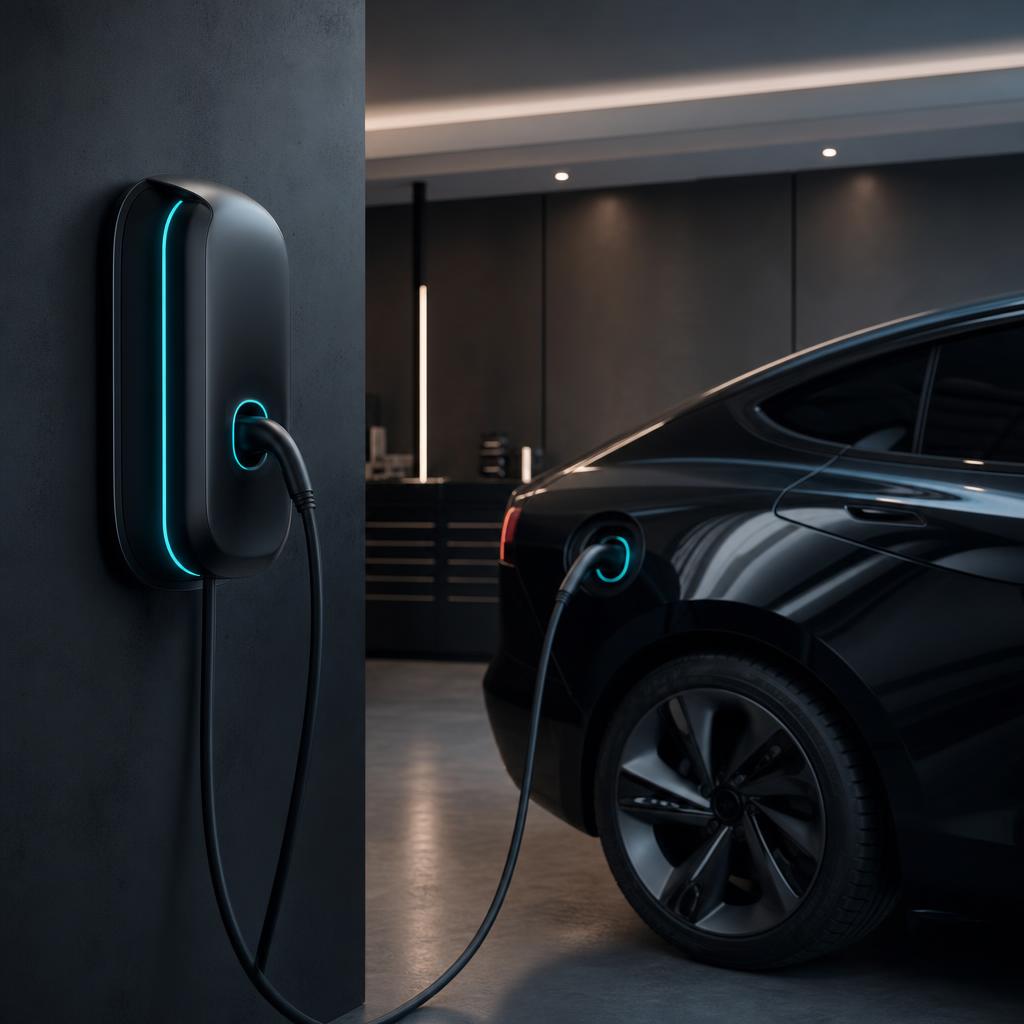
Compare parking time with generation time
Write down when the car is normally home, how far it is driven and when it must next be ready. If it is away for most sunny hours, a solar-only preference may not meet the driving requirement. Weekend or flexible charging may change that picture.
Look at available generation and usage records with the installer. Total solar production is not the same as spare generation: household appliances and other equipment may be using it at the same time. Weather and seasonal changes also affect the opportunity.
Check the whole equipment combination
Provide the inverter, meter, battery and charger models where known. Solar-aware control may depend on compatible measurement equipment, communications and configuration. The word “smart” on two products does not establish that they can coordinate.
Vehicle charging limits and control behaviour also matter. Ask the installer how the proposed system responds when surplus changes and which features depend on an app, network connection or service. Keep the electrical design and commissioning with the professional.
- Vehicle model and normal charging window.
- Existing solar and battery equipment information.
- Major daytime household loads and intended priorities.
- Network or communications requirements of the proposed controls.
Decide what happens when solar is insufficient
A useful brief states whether the priority is limiting grid imports or having the car ready by a deadline. Ask how a manual boost or scheduled charge works and how it affects imports. A solar-preference mode should not leave the household guessing whether the next trip is covered.
If a battery is present, ask whether the controls can distinguish desired behaviour from unwanted battery discharge into the car. Product capabilities vary. Record the intended priority between the house, battery and vehicle rather than assuming all systems share the same logic.
Keep savings and capacity claims conditional
The financial outcome depends on driving, tariffs, export payments, available surplus and equipment costs. Ask for assumptions rather than a universal payback claim. Solar-aware controls also do not replace assessment of the circuit, switchboard and supply.
Use the ZEOS EV service enquiry to describe your routine and existing equipment. Ask which charging modes are compatible and how their behaviour would be demonstrated at handover.
General planning information, not a diagnosis or electrical work instructions. Requirements and equipment suitability must be confirmed for your property.
Need help with ev charger installation?
Send vehicle and solar equipment details plus typical daytime parking. Ask how surplus charging, grid-import settings, battery priorities and a reliable ready-by time would be handled.
Explore EV Charger Installation with ZEOS →